


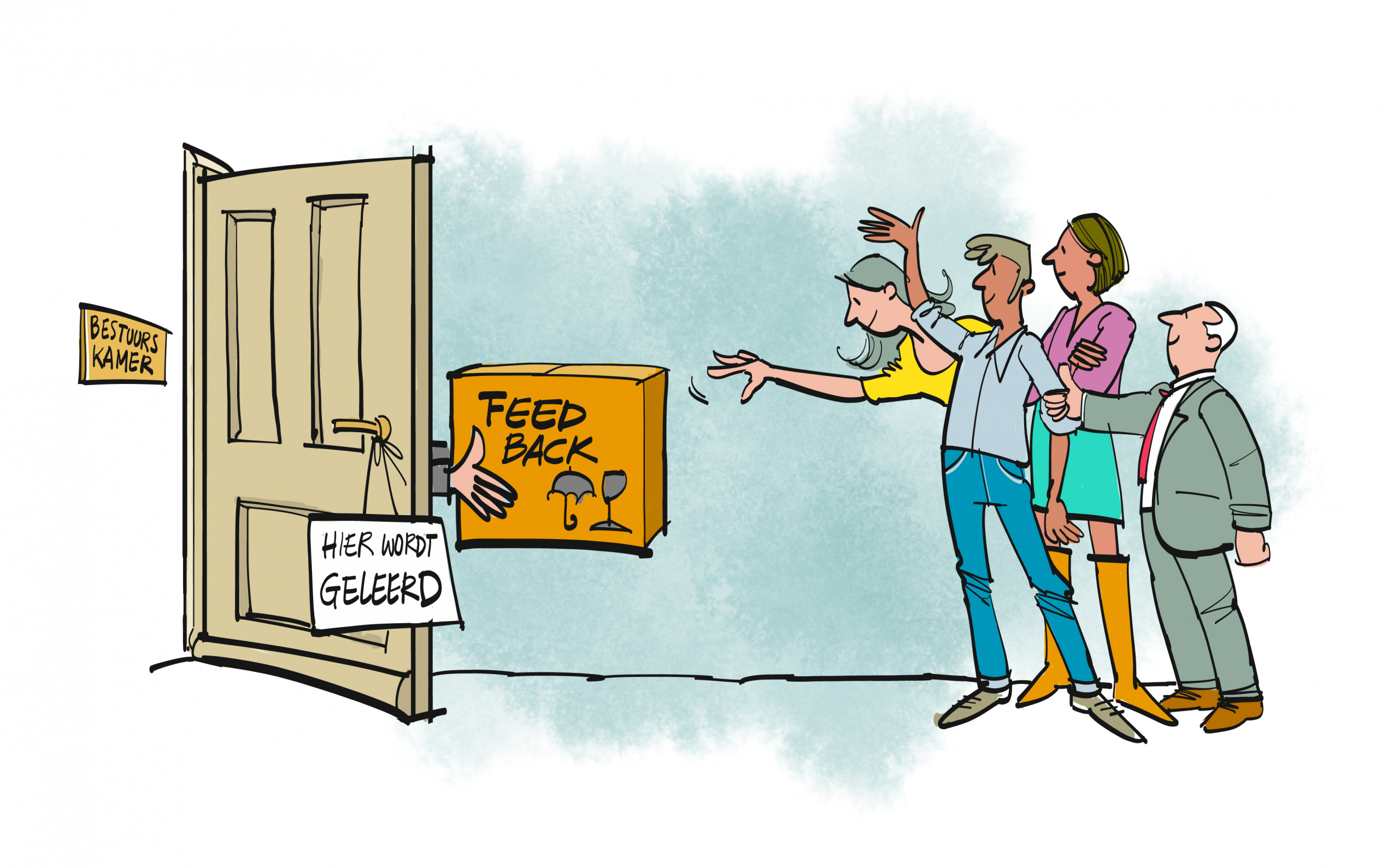
Many people have watched the hearings in the benefits affair with amazement. Those involved seem to be pointing at each other and the committee is looking for who is responsible or even guilty. For the affected parents, of course, it is important that they receive recognition for what was done to them and they deserve reparations in many ways. In addition, the real payoff from this mini-investigation should be that the government really learns from the conclusions of this investigation.
Like all organizations, government should make decisions based on best available evidence. The basis for this is an organization that is managed systematically. This means making informed decisions, understanding the effectiveness of choices made, signaling this in a timely manner and making adjustments where necessary. This seems like a simple principle. I conducted research at thirteen complex nonprofit organizations asking what made them able to be systematically governed. Being systematically managed does not mean that everything you think up succeeds. It does mean that you are “in control,” which is something other than financial control of your organization. Simply put, it is about whether you understand what you are doing. One of the most important aspects of getting ‘in control’ and being able to manage systematically is giving form and substance to learning in organizations. An important aspect here is ensuring that feedback gets to the right place at the right time. Feedback ensures that you can track the consistency of your chosen direction and assess outcomes in context. These outcomes must be evaluated, adjusted where necessary, and learned from for future decision-making.
Back in 2011, as a result of my of research, I advocated the annual issuance of an organizational in-control statement by complex nonprofit organizations. Not as a means of control but to make those responsible in organizations think about whether they understand what they are doing. If they do not, you can take timely actions to manage your organization more effectively. This prevents painful effects for citizens and you learn from your own actions in time. This prevents you from having to explain that you no longer know exactly how things came about and you start blaming others for outcomes for which you yourself are responsible. Of course, you can always make excuses for mistakes made. The victims of the benefits affair are also entitled to that but let’s hope this is the last time it will be necessary. As a government, make use of available (scientific) knowledge and make sure that learning is not only based on mistakes made.
Prof. Wouter ten Have is a partner at TEN HAVE Change Management and Professor of Organizational Change at VU University Amsterdam


